
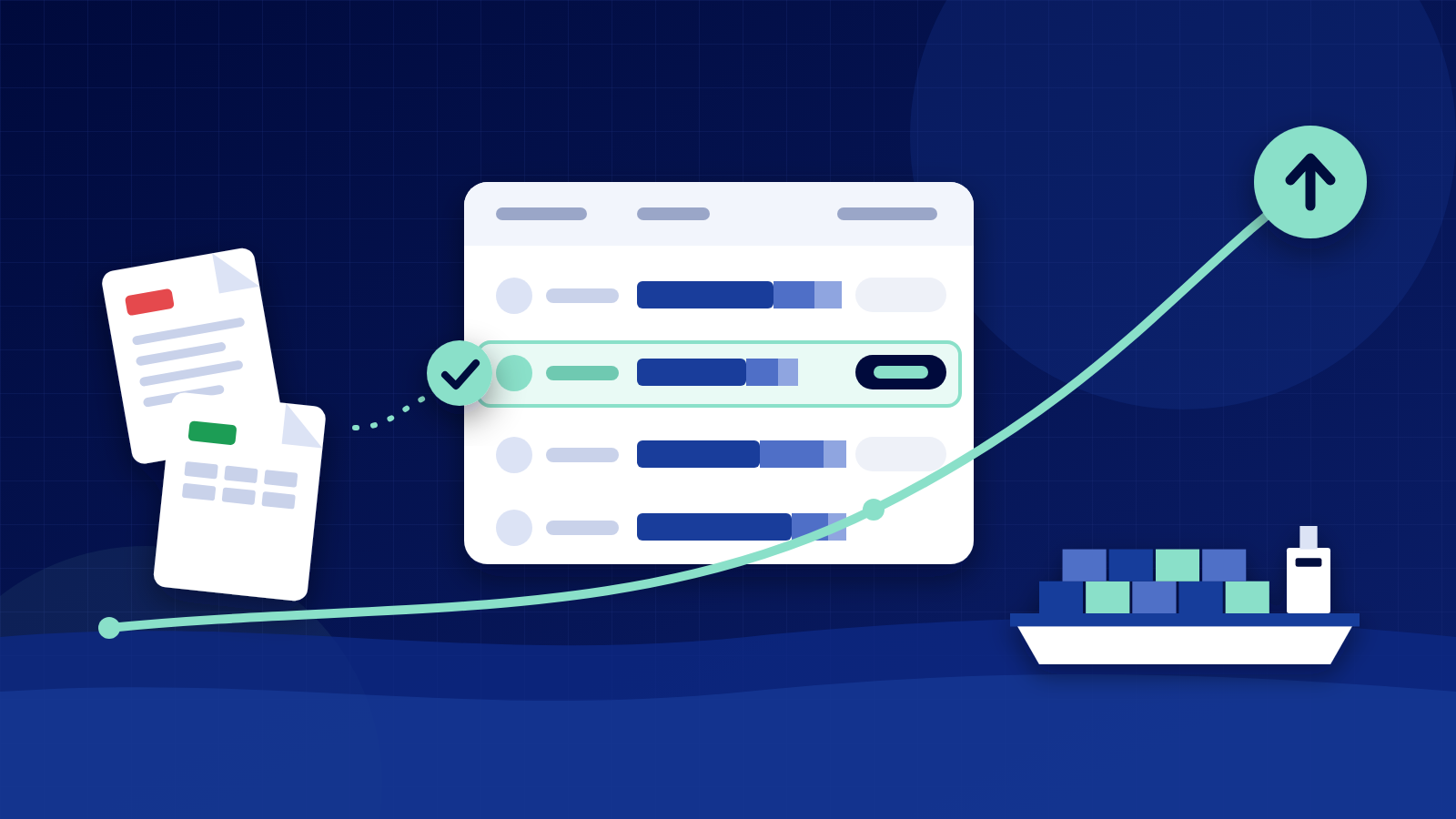
One mid-sized U.S. importer found that more than 1 in 10 shipments went to a costlier carrier, even though a better rate was already in their contract portfolio. Here's where that overspend hides, and the three ways Rate Intelligence wins it back.
Ask most shippers or forwarders what they're paying on a given lane right now, and you'll get a pause before the answer. Not because they don't have the data. Because they have too much of it, scattered across too many places.
A base contract here. Three amendments there. A quote someone forwarded two months ago. A number a carrier rep mentioned on a call that never made it into writing. By the time someone needs the answer, nobody's fully sure which version is current, or which rate is actually the best one available to book against.
That pause has a price tag, and it's bigger than most teams realize.
Where the money leaks
When rates live in scattered documents instead of one structured system, three things tend to happen:
- You book at the wrong rate. An amendment landed two weeks ago and hasn't made it into whatever spreadsheet your team is checking against.
- Carrier comparisons take hours instead of seconds. Comparing all-in cost across carriers means opening five different contracts and manually stacking up base rate and surcharges by hand.
- You miss the better option you already have. The lowest-cost, most reliable carrier on the lane is sitting in your portfolio, but nobody can see it at the moment of booking.
None of this shows up as a single dramatic failure. It shows up as small overpayments and missed opportunities that compound, until someone finally asks why freight costs came in over plan.
What that looks like in real numbers
Take one mid-sized U.S. importer. A review of a single month of bookings found that 41 of 315 shipments (about 13%) went to a carrier that wasn't the lowest-cost or most reliable option available on that lane.
The better option wasn't a spot rate they'd missed or a carrier they'd never spoken to. It was already in their contract portfolio. They just couldn't see it when it was time to book.
The result: $10,795 in verified overspend in one month. Scaled across a year, that's six figures leaking out through booking decisions nobody on the team would have flagged as a mistake. Against a $15,000 annual investment in Rate Intelligence, the modeled first-year return is 5–8x. Here's where that return comes from.
1. Book the best rate you already hold
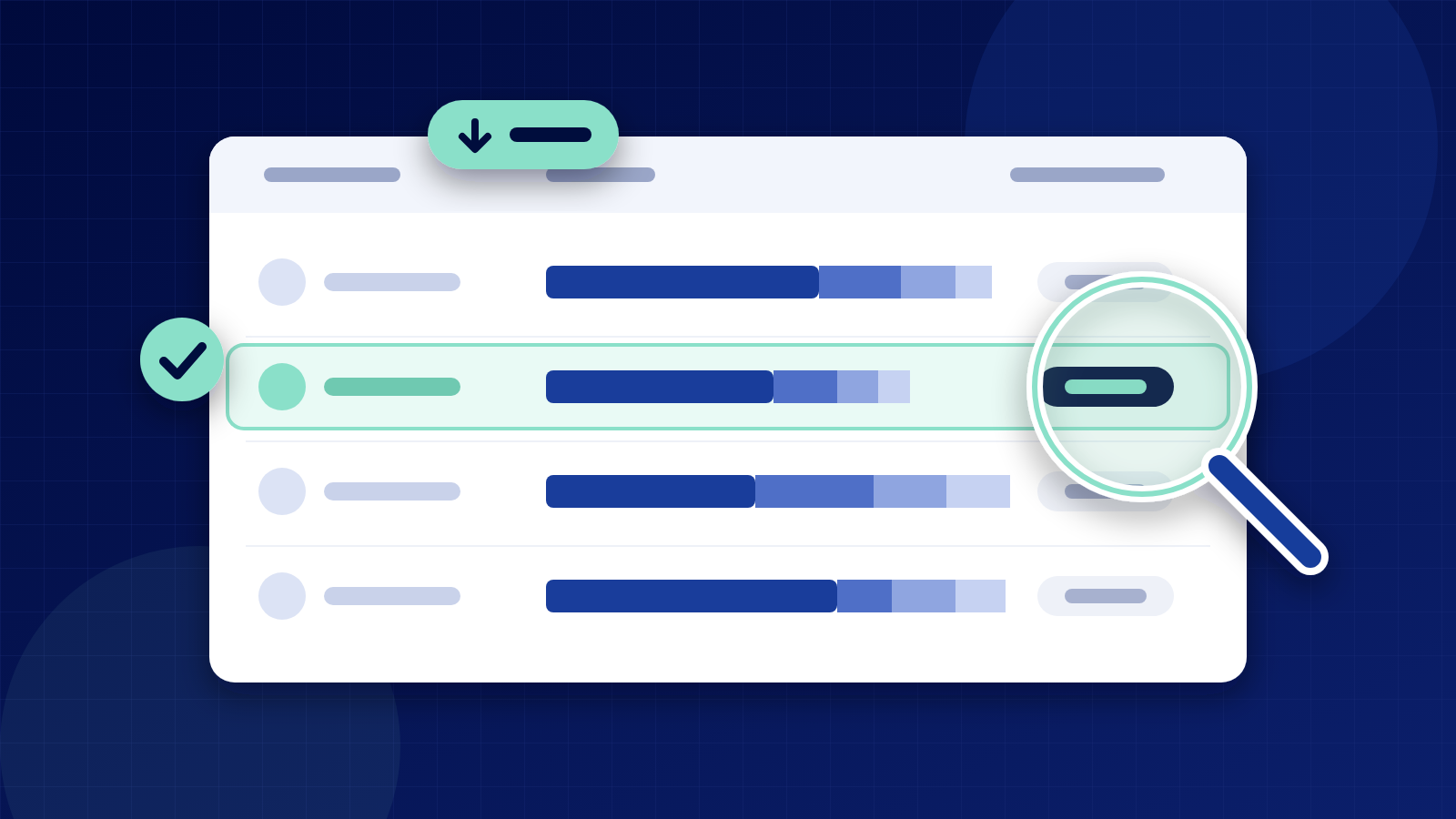
The fix isn't asking your team to be more organized. It's making the best option visible at the moment of booking.
With Rate Intelligence, finding a rate takes seconds. Pick an origin and destination and see every contracted rate you hold on that lane, filtered by date range and container type. Open any rate and see the full breakdown: base ocean freight, bunker recovery, emergency fuel surcharge, terminal handling, plus contract terms and amendment history in one place.
And because every carrier's rate on a lane sits in the same table, the lowest available rate stops hiding. You can see which carrier is actually cheapest once every surcharge is counted, not just whoever has the lowest headline number, and benchmark it against the NYSHEX Index to see how it stacks up against the spot market.
That's exactly the gap the importer above was falling into. Surface the best contracted option on every booking, and those 41 shipments stop being overspend.
2. Get hours back from manual rate management
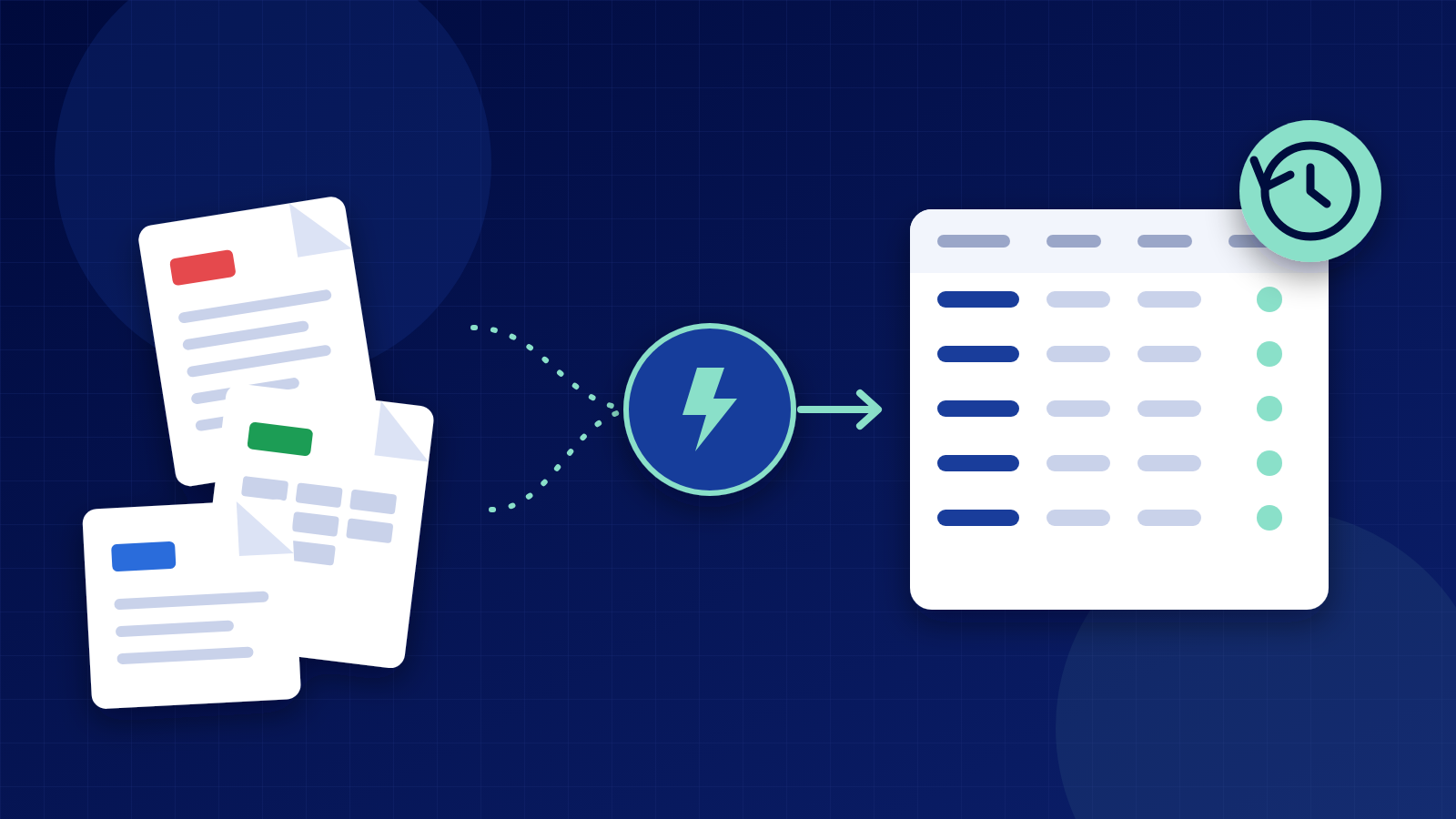
Rate Intelligence starts by turning your actual contracts and amendments (PDF, Excel, Word, whatever format they arrive in) into structured, searchable data. Drop documents in, or forward them straight to a dedicated rate inbox, and within hours your rate book updates automatically: every rate, every surcharge, every effective and expiry date extracted and published.
No more rekeying amendments into spreadsheets, and no more opening five contracts to stack up base rate and surcharges by hand. Carrier comparisons that used to take hours take seconds, and your team's time goes back into negotiating and planning.
3. Book options you can actually execute
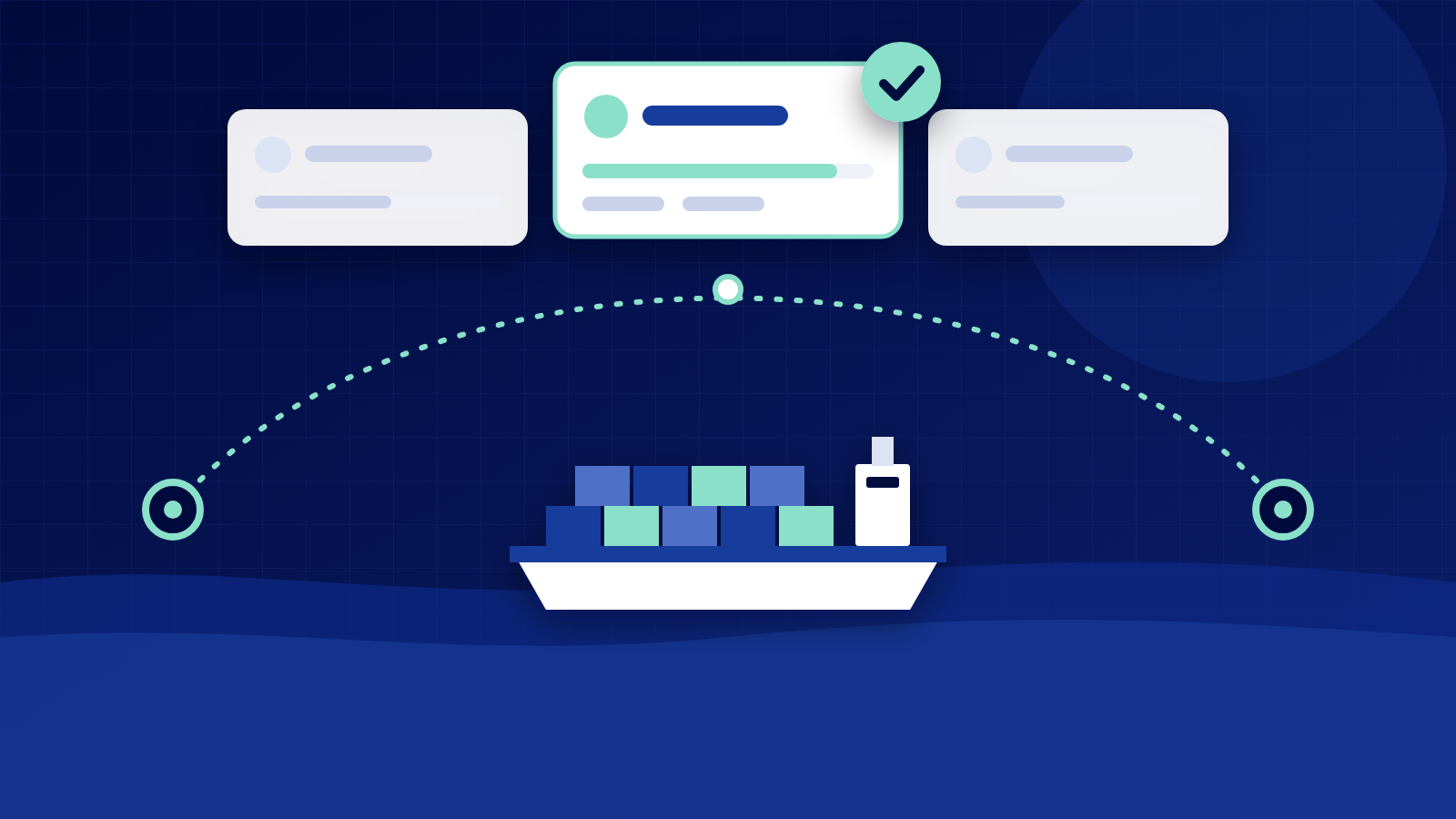
A clean rate record solves the "what am I paying" problem. It doesn't automatically solve "can I actually book this." That's why Rate Intelligence layers routing on top of rates with Routing Matrix: filter down to only rates with confirmed sailings and transit times, then compare every sailing on the lane with your contracted rate.
The result is a straight line from "here's my rate" to "here's whether I can book it, and on which vessel," without switching between five systems to get there. Fewer rolled bookings and fewer surprises means the savings you found on paper actually show up on the invoice.
Adding it up
Recovered overspend, hours back and bookings that stick: that's how Rate Intelligence pays for itself, with a modeled 5–8x return in year one. And once your rates are organized and visible, the natural next question is whether they're competitive.
That's a benchmarking problem, and our guide to benchmarking ocean freight rates against the market is a good next read.