
Index-Linked Contracts
Volatility is unavoidable. Misaligned contracts don’t have to be.
Index-linked contracts adjust with the real market, eliminating the friction that comes from forcing fixed rates into a moving environment.
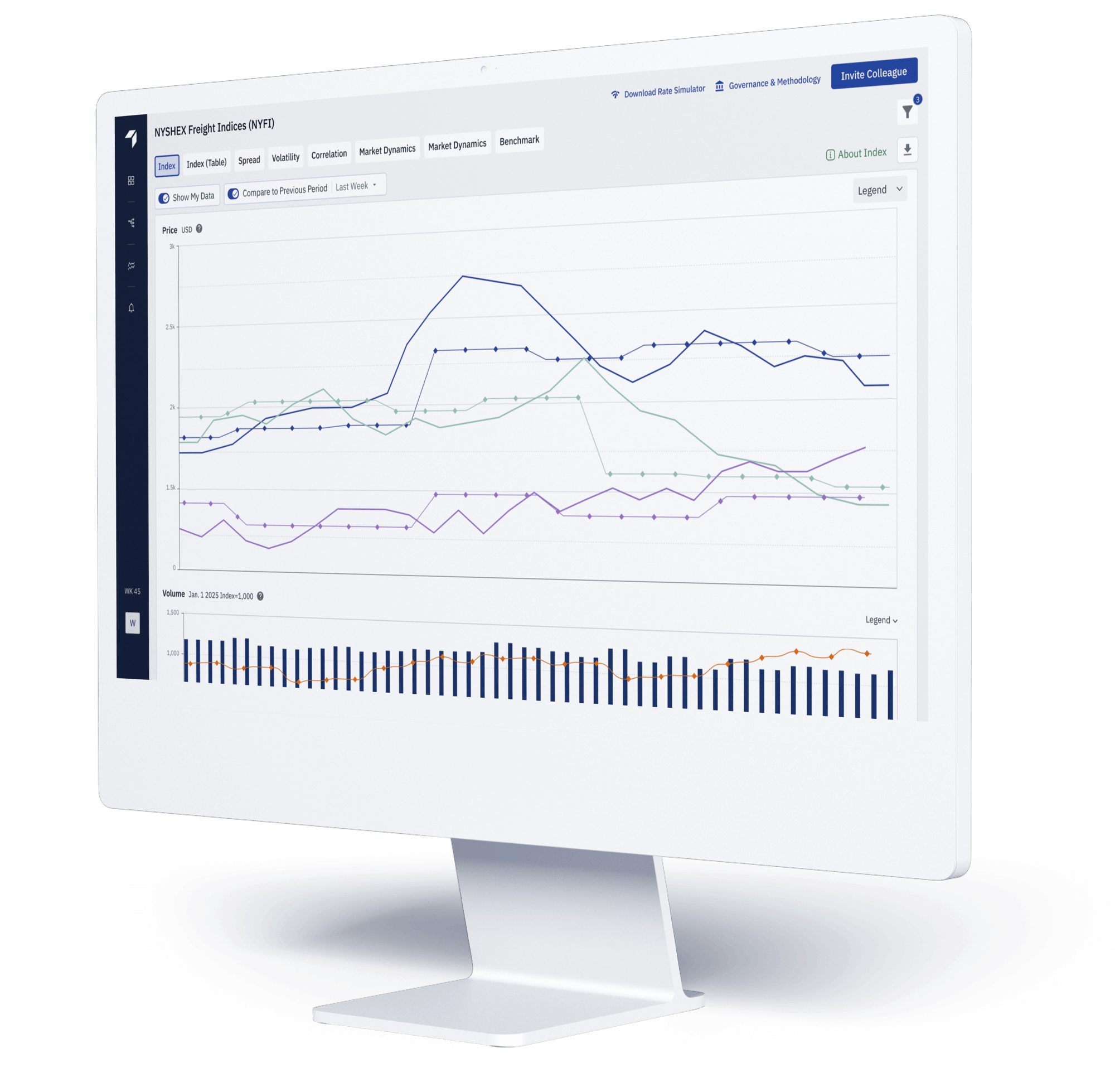
Why fixed contracts break in a market that won't sit still.
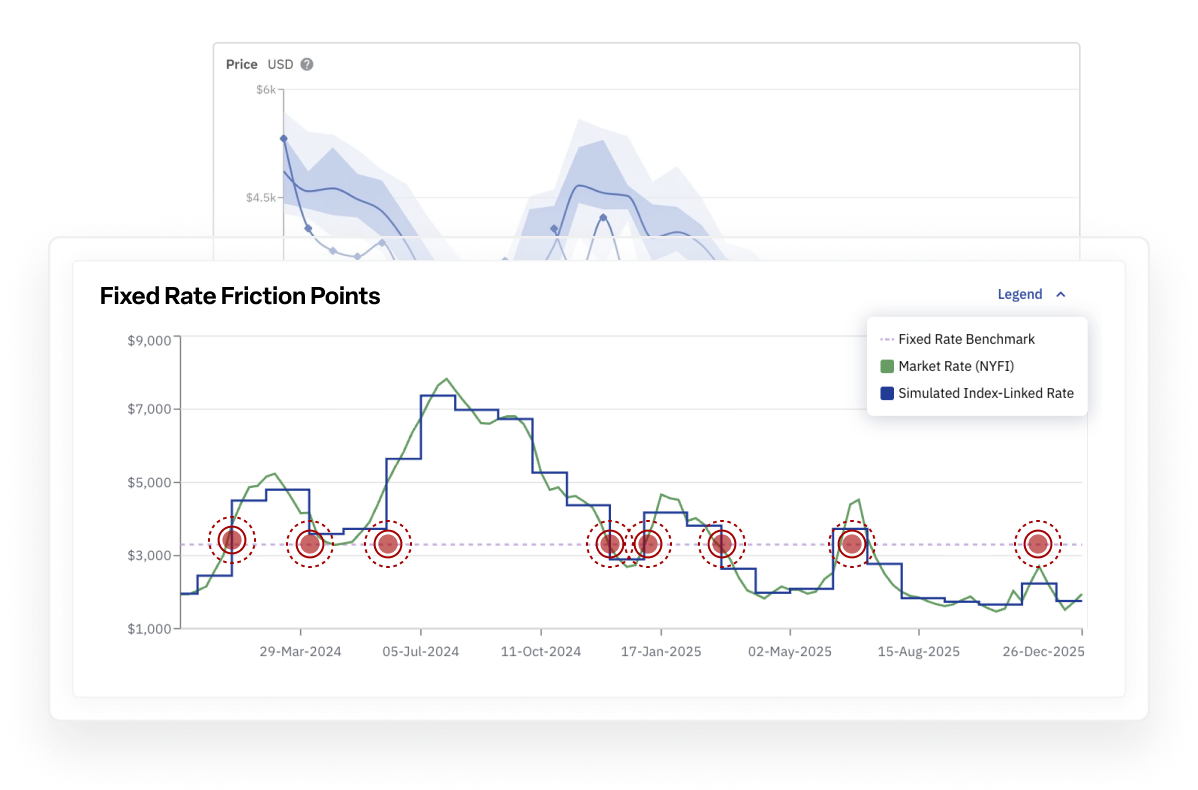
Volatility is constant. Friction is created by the mismatch between a fixed-rate contract and a market that moves every week. When rates fall, shippers overpay. When rates rise, carriers prioritize the highest-paying cargo, and both sides feel the strain through renegotiations, uncertainty, and late arrivals.
Contracts that move against the market create friction. Contracts that move with it create alignment.
That is the shift the industry is making now: toward pricing models that adjust automatically using transparent, shipped-market data, giving shippers and carriers a smarter way to manage risk in a market that moves every week.
What is an index-linked contract?
An index-linked ocean contract is an agreement where the rate adjusts automatically based on a mutually trusted freight index.
Instead of locking in a single number for 12 months, you and your carrier agree to let the rate:
- Move with the market
- Update on a defined schedule
- Track a transparent benchmark such as NYFI
This creates a contract structure that is predictable for planning, fair to both sides, and aligned with real-world conditions week to week or month to month.
Start Your NYFI-Linked ContractHow to build an index-linked contract for 2026–2027.
Follow these simple steps to explore whether index-linking is right for you — and prepare to negotiate with confidence.
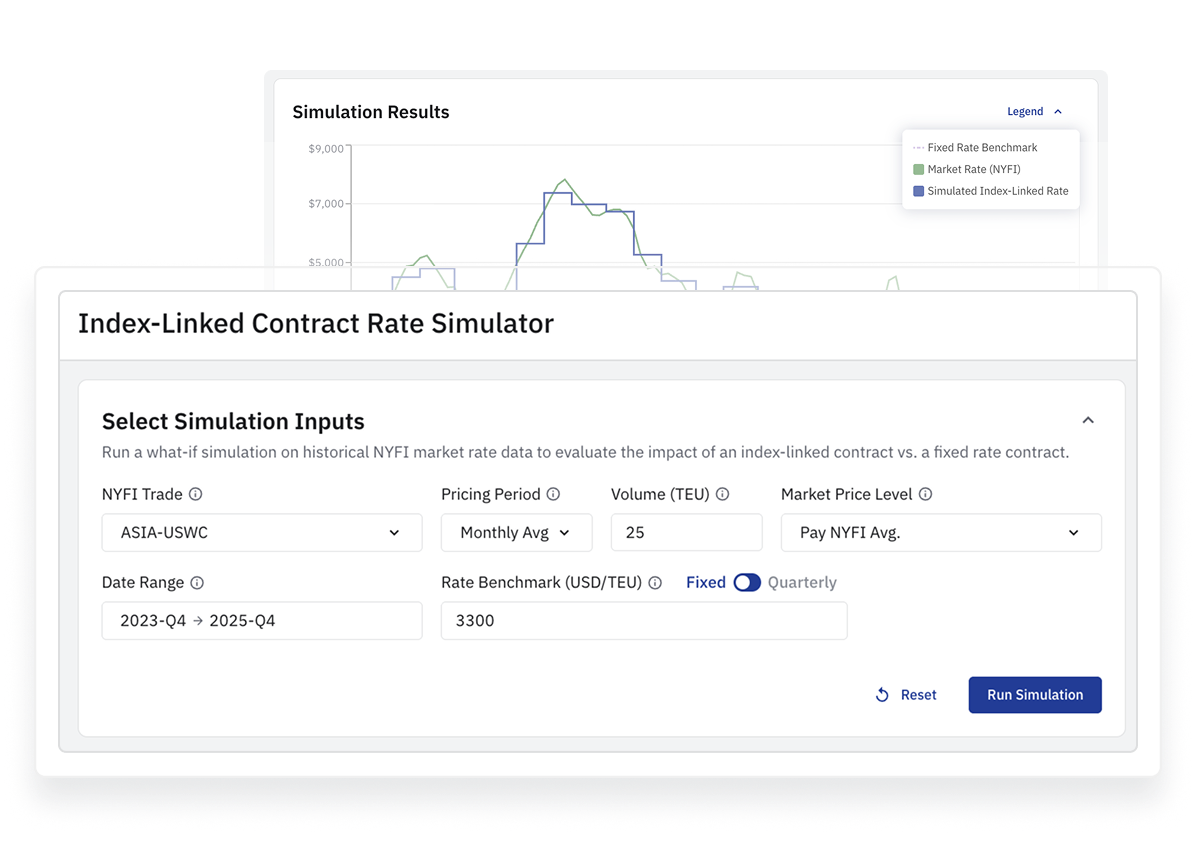
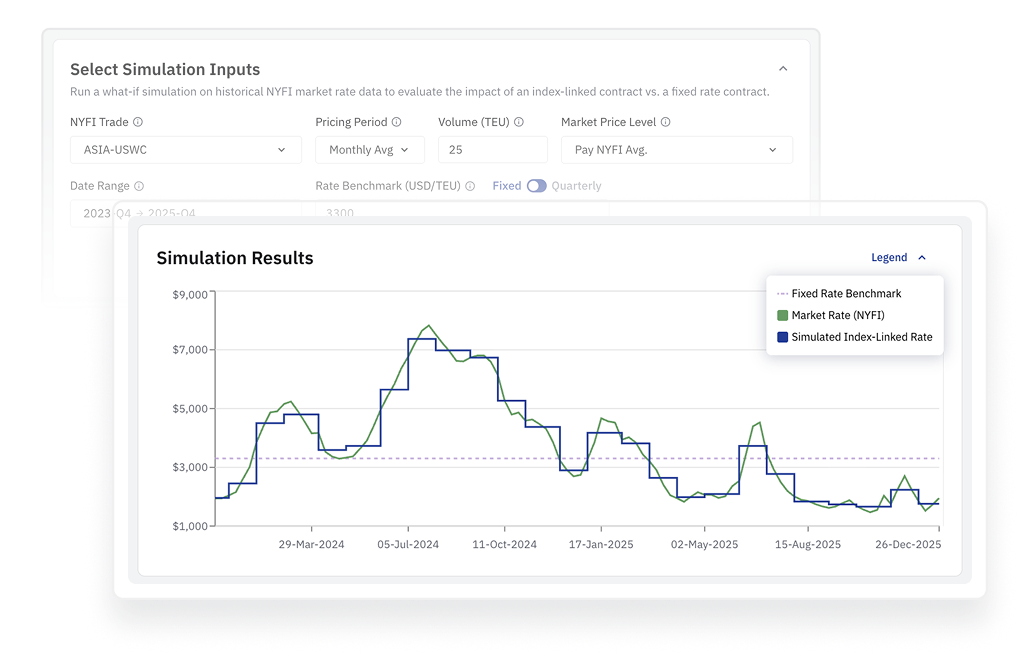
Test your contract using the index-linked contract simulator.
Model how an index-linked structure would have performed — historically and under different volatility profiles.
Instantly compare fixed vs. market-aligned pricing and see where your friction points really are.
Access the simulator by logging in to the NYSHEX app — or sign up for free to get started.
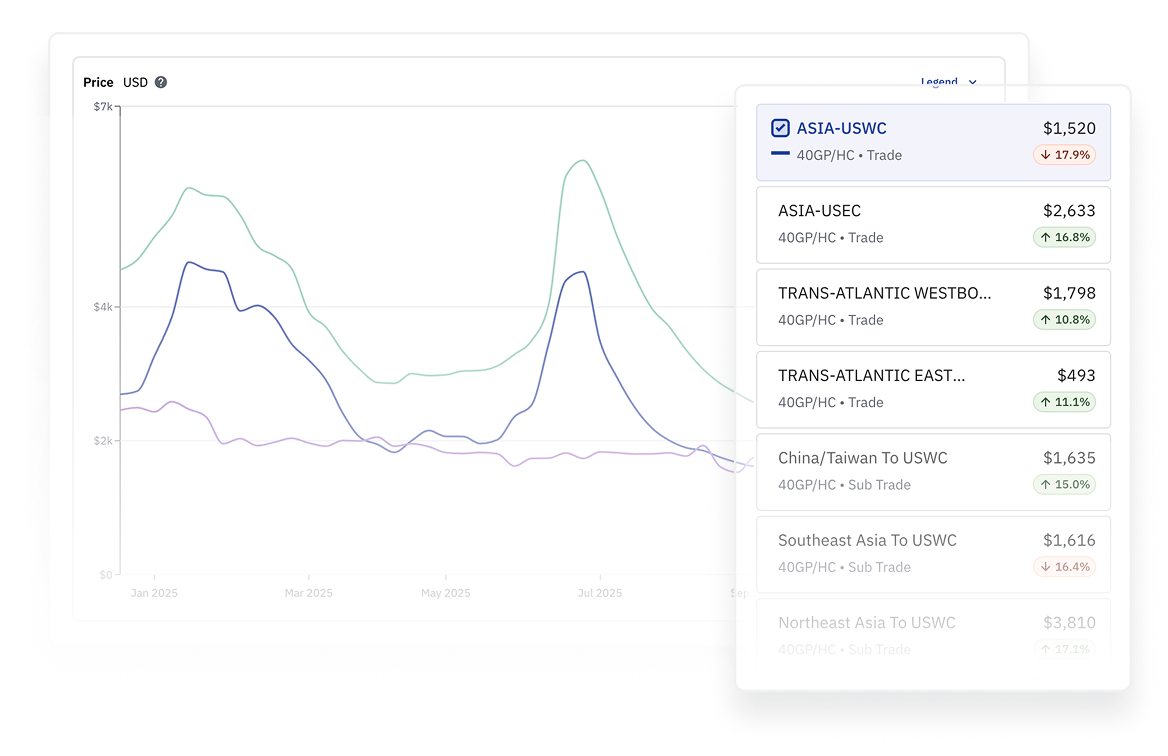
Pick a benchmark you can trust.
Study the differences in methodology and governance across available freight indices. Choose one that is:
- Transparent
- Trusted
- Neutral
- Based on real, shipped-market activity
We recommend NYFI because most existing indices lack shipped-only data, balanced governance, and fully transparent methodology.
Define how your contract will work.
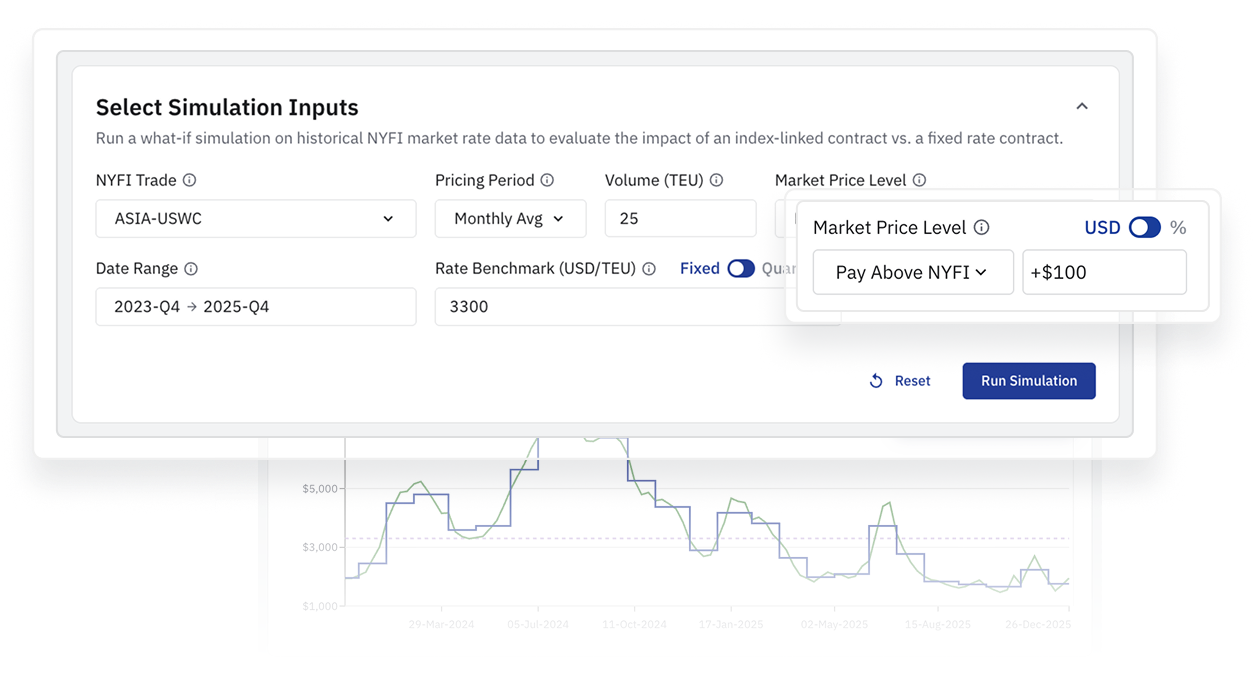
To make the contract work smoothly, you’ll need to define the following rules:
- Reset frequency — Weekly or monthly
- Pricing mechanism — For example, NYFI + X or NYFI − X
- Volume and service commitments
Engage your carrier partner with confidence.
Use the NYFI Index-linked Contract downloadable one-pager to guide the discussion with your carrier.
Looking to partner with a carrier or NVOCC who is familiar with and can collaborate with you on your NYFI-Linked Contract? Start Your NYFI-Linked Contract discussions today.
.jpg?width=1920&height=1280&name=radission-us-_XeQ8XEWb4Q-unsplash%20(1).jpg)
Tradeoffs to consider.
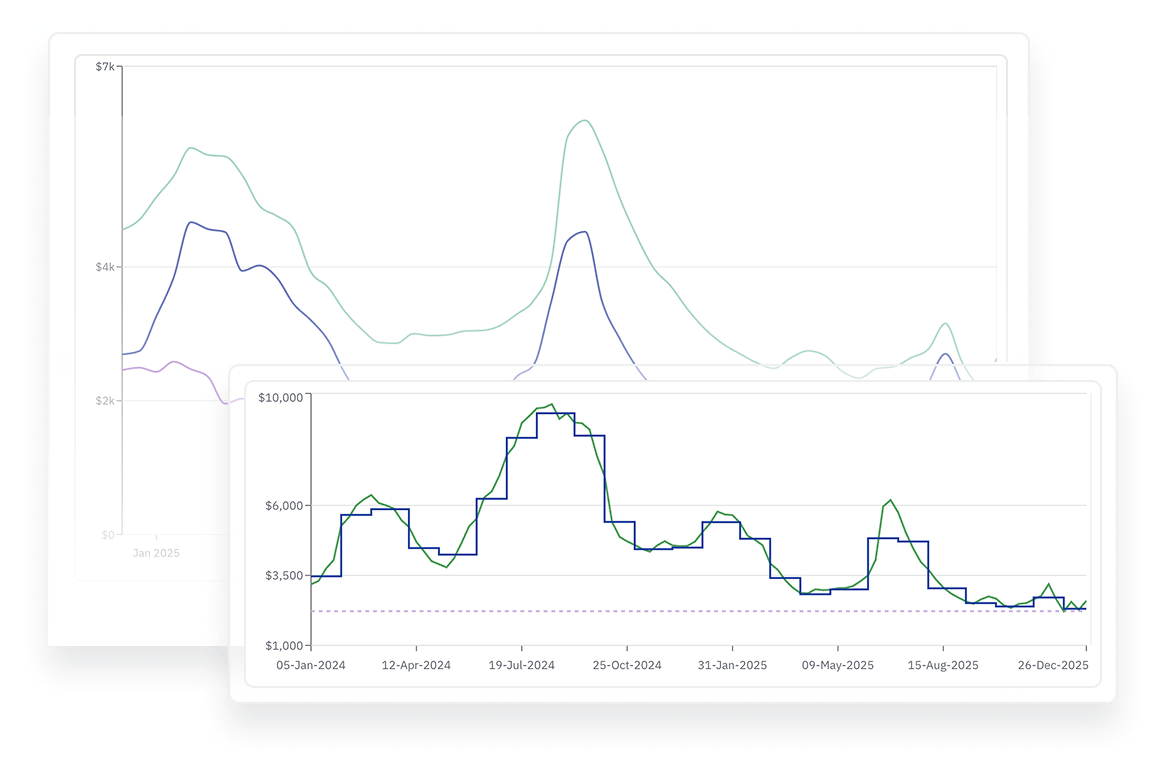
Index-linked contracts offer more flexibility than fixed structures.
What to consider:
- Your rate will rise and fall with the market.
- Sometimes you’ll pay more. Sometimes less.
- If you want to eliminate that variability entirely, hedging can lock in your effective outcome.
But in fixed contracts, the “fixed rate” isn’t truly fixed:
PSS, GRIs, emergency fees, and deprioritized cargo are common when the contract stops matching real conditions.
With index-linking, movement is expected, governed, and transparent, not improvised.
Need Guidance?Testimonials
What the industry is saying about NYFI.

“With volatility in global trade at an all-time high, conversations around container futures trading and hedging have never been more relevant. It’s a great opportunity to share insights, learn from peers, and explore solutions that will shape the future of global shipping.”
Peter Stallion
Container FFAs/Freight Futures, Clarksons

“Reliable freight indices are no longer optional, they’re essential. The ability to base contracts and risk management on shipped, auditable data is what will finally bring stability to ocean freight markets. What NYSHEX is doing with NYFI and futures is the missing link between supply chain strategy and financial discipline.”
Lars Jensen
CEO, Vespucci Maritime

“I’m looking forward to the Freight Futures Forum as a key opportunity for the industry to exchange ideas and strengthen its approach to managing volatility. As an innovative global logistics solutions provider, KWE is committed to staying ahead of emerging developments and industry trends to remain a trusted partner to our clients. Engaging with experts and peers at this event will be invaluable in enhancing our collective understanding of risk management and supporting customers as this new area of the market evolves.”
Steven Moser
VP Ocean

“As an agri shipper, we hedge the risk that the price of our goods changes between the time we agree to a sale and the time we deliver. However, we are exposed to the risk that the price of shipping our goods can change significantly between the time of sale and time of delivery. I’m excited to be speaking at the NYSHEX and ICE Futures Forum in London, where we will work together with other industry leaders on a way to hedge our shipping price exposure.”
April Zobel
Profit Center Manager

“We’re excited to be part of this discussion at such a pivotal time for the industry. As futures trading begins to take shape in this market, it’s vital to share knowledge, promote transparency, and help participants understand how effective risk management tools can support sustainable growth and confidence.”
Raphaël C. Amiach
Director of Commodity Sales Europe